
We have completed over 10,000 bankruptcies
Milwaukee Bankruptcy Lawyers
Individual and Business Bankruptcy Law
Click To Call Us Today
Award-Winning Representation. Life-Changing Results


CLICK HERE

WE CAN PROVIDE YOU WITH THE BEST BUSINESS BANKRUPTCY OPTIONS

Bankruptcy Law Office of Richard A. Check, S.C.
Bankruptcy & Debt Related Issues Are All We Do!
Chapter 7 Bankruptcy
Chapter 7 bankruptcy eliminates almost all types of debt, but there are exceptions and specific qualification.
Chapter 13 Bankruptcy
Chapter 13 bankruptcy restructures your debt into an affordable repayment plan.
Wisconsin Bankruptcy Lawyers
Filing Bankruptcy
Filing for bankruptcy can feel like the end of the world. You may feel very discouraged knowing that life circumstances have made it so that you cannot meet your financial obligations. But, instead of viewing bankruptcy as a bad thing, you may want to start viewing it as a new lease on life. By filing for West Bend bankruptcy, you have a chance to take care of your debt in a manageable way and to start rebuilding your credit. There are several types of bankruptcy. The most common types are Chapter 7, Chapter 13, and Chapter 11.
Alternatives to Bankruptcy
While bankruptcy has many distinct advantages for people struggling with financial debt, there are alternatives to filing bankruptcy worth consideration. Every situation is unique and the details and nuances that make your situation unique may determine what options you have. This is why we offer a FREE CONSULTATION with a bankruptcy lawyer, so you can make an informed decision.
Our Attorneys
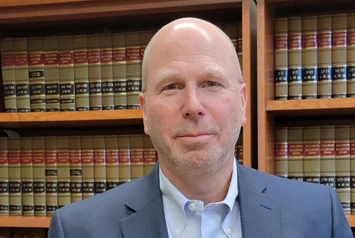
Richard A. Check
Bankruptcy Attorney Richard Check is the majority shareholder of the Bankruptcy Law Office of Richard A. Check, S.C. where bankruptcy law is the sole focus of his practice. Attorney Richard Check has been practicing for 31 years and is licensed to practice law in the states of Wisconsin and Indiana.


Wisconsin Bankruptcy Lawyers
Bankruptcy Law Office Of Richard A. Check, S.C., Was Started In 1998 To Provide Bankruptcy Law Protection To Wisconsin Residents. Our Bankruptcy Attorneys Take The Time To Learn About Your Specific Situation And Can Tell You How The Law May Help You In A FREE BANKRUPTCY CONSULTATION. Located Throughout Wisconsin, Our Bankruptcy Attorneys Can Meet With You At Any Of The Nine Area Offices:
Appleton, Green Bay, Fond du Lac, Manitowoc, Milwaukee, Oshkosh, Racine, Sheboygan, West Bend
Your Confidentiality Comes First With Regard To All Financial And Legal Bankruptcy Representation. Our Bankruptcy Attorneys And Professional Staff Oblige You The Respect And Special Attention You Deserve. When You Come Into Our Firm, You Are Immediately Among Friends. We Focus On Financial Solutions That Are In Your Best Interest; We Explain The Solutions Tailored To Your Situation Whether You Are An Individual Or A Business Seeking Bankruptcy Relief.
Our Clients Love Us
See What They Have To Say
I would definitely recommend you to a friend or family member. Simply the best and I thank you guys sooo much. I feel you care better than all the rest.
Thank you!
Pleasant and quick and courteous return of phone call info.
Thank you!
Your staff and you are just excellent! Excellent!
Thank you!
I would recommend your firm to friends, family or anyone I meet – Simply the best. I am so grateful for people like you all.
Thank you!

